Introduction

Google Tag Manager is a free tool that enables marketers to install, store, and manage marketing tags without modifying website code, and instantly deploy tags on your website or mobile app from an easy-to-use web-based interface.

MoEngage × Google Tag Manager

With the MoEngage and Google Tag Manager integration, you can forward the events captured on your GTM server to MoEngage without writing any code on your website.

Integration via GTM Server Side

PrerequisitesEnsure you have a Google Tag Manager account with permission to import templates and add new tags.
With the Google Tag Manager template built by MoEngage, you can forward your events from GTM to MoEngage.

Step 1: Download and import the MoEngage Tag
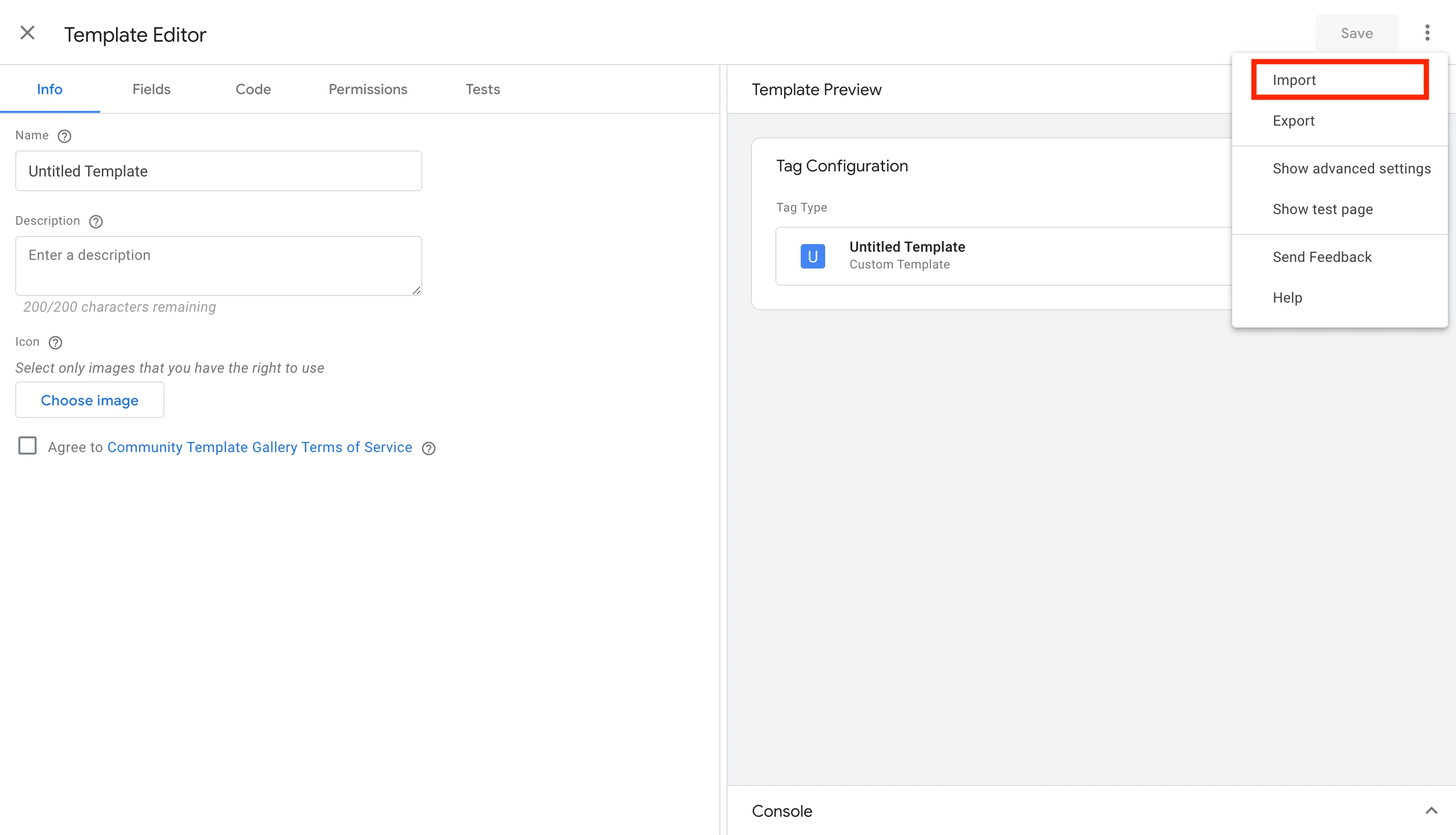
MoEngage tag editor view in GTM
  1. Download the MoEngage tag (right-click and Save).
  2. To import the tag into your GTM workspace, go to the Templates screen from the left side menu. GTM Templates screen showing the Tag Templates section
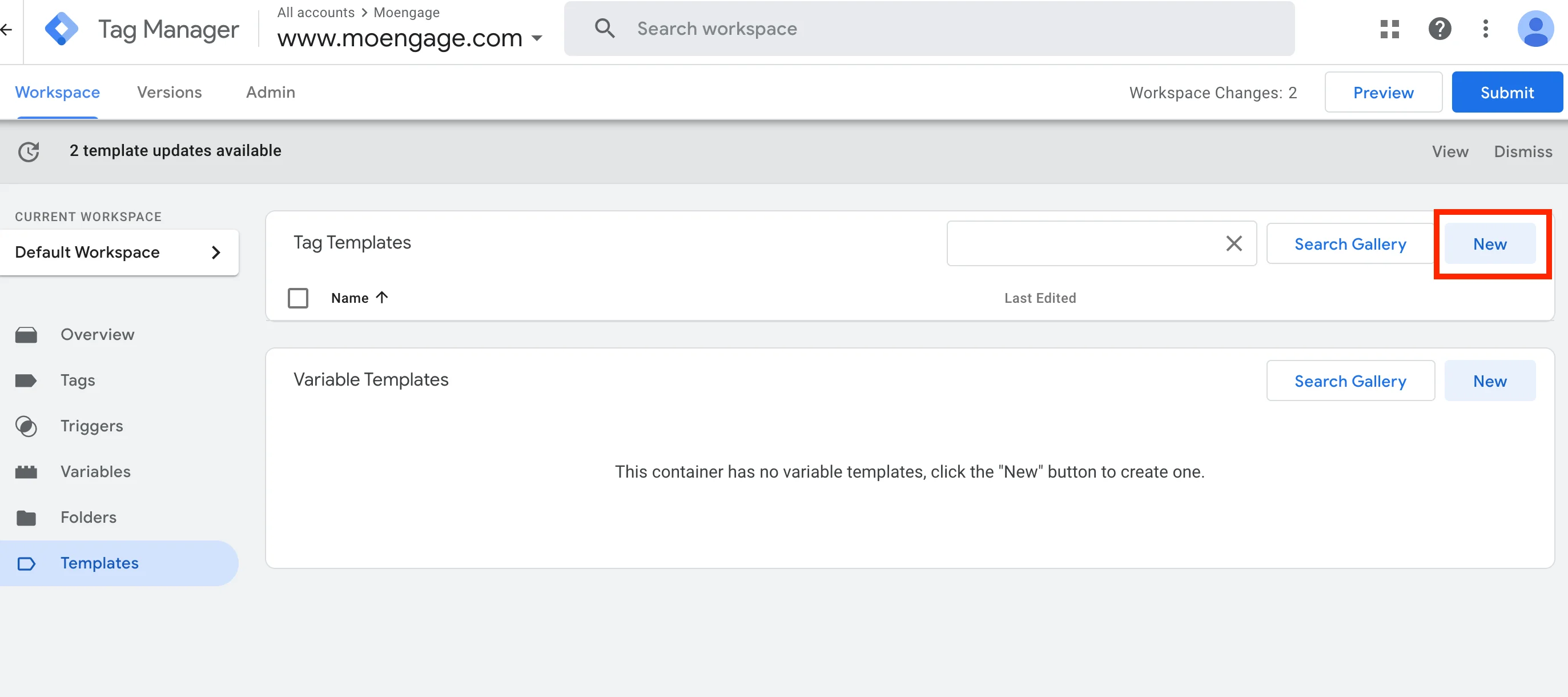
  3. Under Tag Templates, click the New button > Actions menu (top-right) > Import. Select the MoEngage tag file you just downloaded.
  4. Click Save when you see the MoEngage logo on the left.

Step 2: Select and configure the MoEngage Tag

The MoEngage Tag template lets you forward GTM events, update custom as well as standard user attributes inside MoEngage.
  1. On your GTM dashboard, click Tags > New.
  2. Click Tag Configuration, and under Custom look for the MoEngage Tag.
  3. Setup the tag according to your needs.
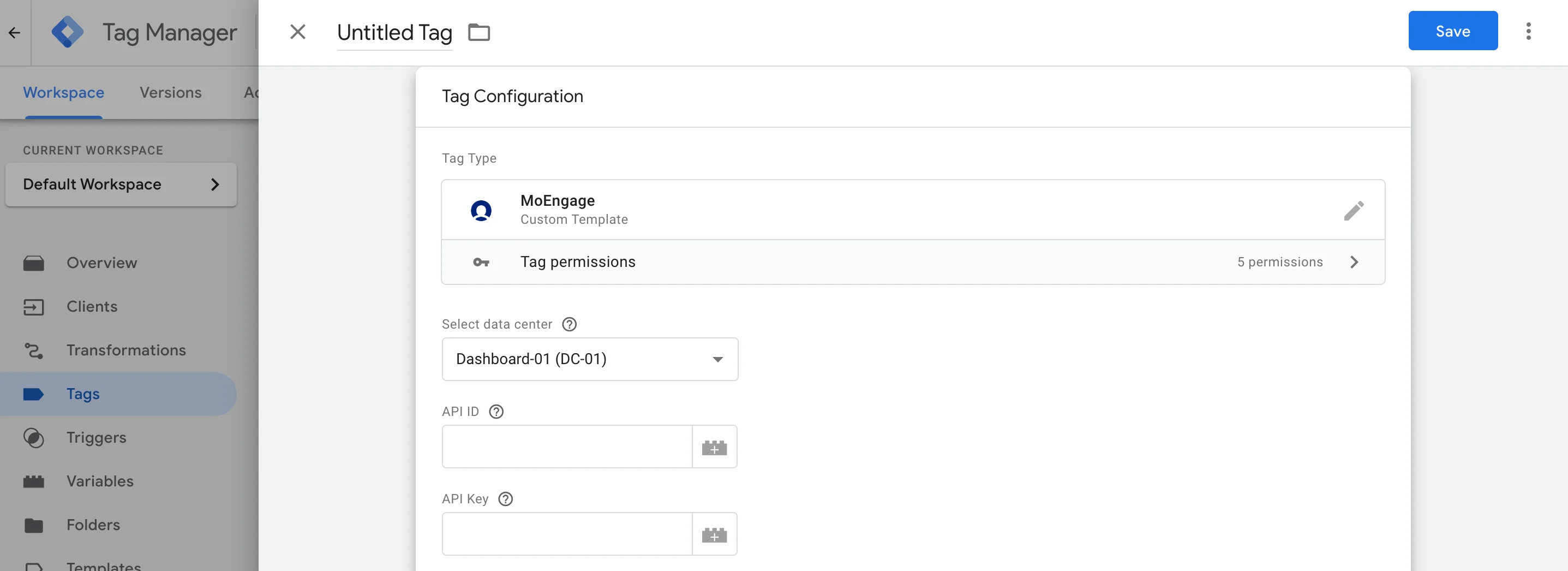
MoEngage Tag configuration screen in GTM
PropertyValue
Select data centerYour MoEngage Data Center region (DC_X):
  • Dashboard-01 (DC-01)
  • Dashboard-02 (DC-02)
  • Dashboard-03 (DC-03)
  • Dashboard-04 (DC-04)
API IDAPI ID is the Workspace ID.
The Workspace ID of your MoEngage account is available at Settings > Account > APIs > Workspace ID.
The Data API ID and the Workspace ID of your MoEngage account are the same.
API KeyAPI Key is the Data API Key.
The Data API key of your MoEngage account is available at Settings > Account > APIs > API keys > Data API settings.

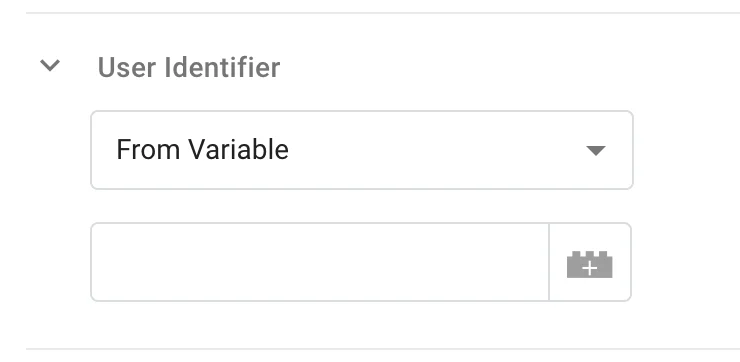
User Identifier

User Identifier mapping section in the MoEngage Tag Here you need to map the user identifier to identify the user in MoEngage. You can map this value using multiple ways:
  • From Variable: Select this option if you want to use a GTM Variable as the user identifier value.
  • From Event Property: Select this option if you want to extract the user identifier from an event property. Enter the attribute key here, for example, user_id. Note that we can only pick values only from the root level keys. If you want to extract values of nested keys, please use GTM Variables and then select “From Variable” option.

Snowplow Event Mapping Options

You can leave this section as it is. If you’re using a Snowplow client, we have additional options that you can use to ingest Snowplow events into MoEngage. Read more about this in our Snowplow integration guide.

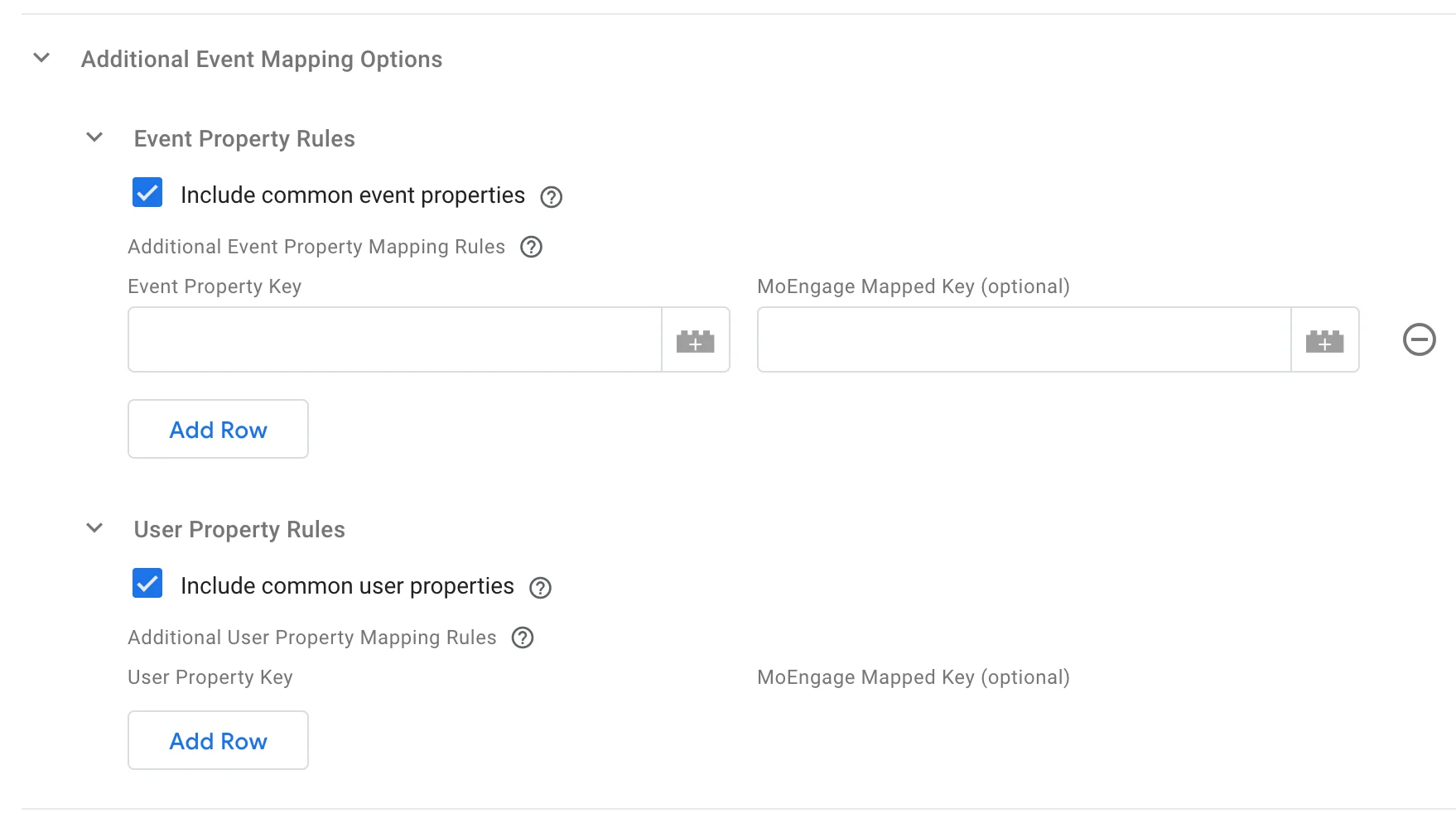
Additional Event Mapping Options

Additional Event Mapping Options section in the MoEngage Tag
PropertyValue
Include common event propertiesSelect this option if you want to automatically include the event properties from the common event data in GTM as event properties to MoEngage.
Additional Event Property Mapping RulesYou can select the keys you want to map as event properties inside MoEngage. Click Add Row to add a new key mapping.
Specify the property key from your event data object in Event Property Key and provide the name you would like to map it to under MoEngage Mapped Key. If you leave the MoEngage Mapped Key field blank, we will not rename the key.
These properties will be stored as event properties in MoEngage.
Include common user propertiesSelect this option if you want to automatically include the “user_data” properties from the common event data in GTM as user attributes to MoEngage.
Additional User Property Mapping RulesYou can select the keys you want to map as user attributes inside MoEngage. Click Add Row to add a new key mapping.
Specify the property key from your event data object in User Property Key and provide the name you would like to map it to under MoEngage Mapped Key. If you leave the MoEngage Mapped Key field blank, we will not rename the key.
These attributes will update the user’s attributes in MoEngage.

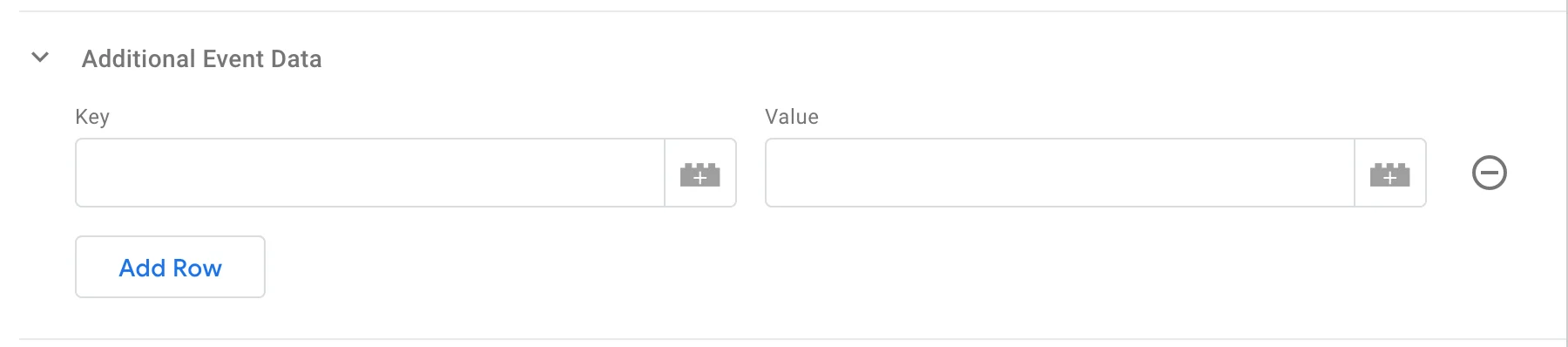
Additional Event Data

Additional Event Data section in the MoEngage Tag If you want to extract values from nested objects or arrays, you can create GTM Variables for the same and use this section to directly use the variable as an event attribute. Click Add Row to add a new event attribute.
PropertyValue
KeySpecify the key you want to add to your event attributes.
ValueHere you can either enter a direct value of this event attribute or use a GTM Variable.

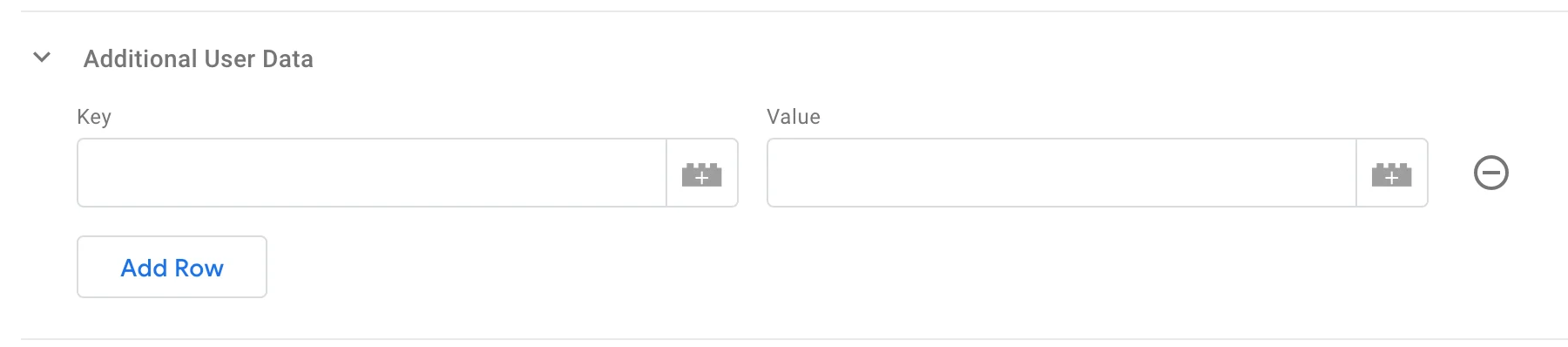
Additional User Data

Additional User Data section in the MoEngage Tag You can also use the above method to extract values from nested objects or arrays and use this section to directly use the variable as a user attribute. Click Add Row to add a new user attribute.
PropertyValue
KeySpecify the key you want to add to your user attributes.
ValueHere you can either enter a direct value of this user attribute or use a GTM Variable.

Advanced Event Settings

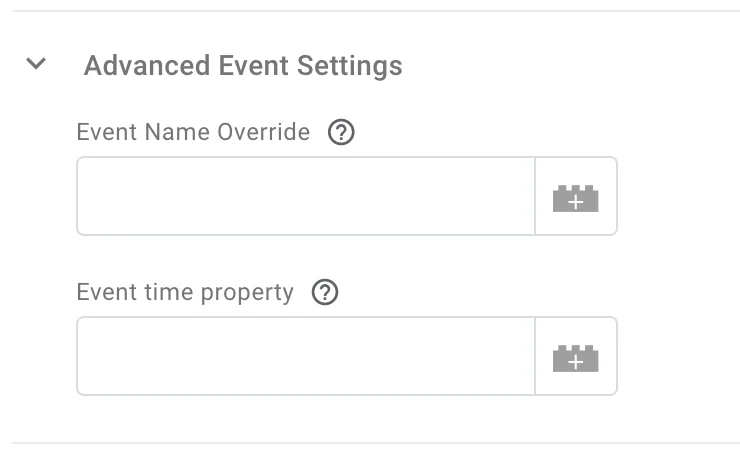
Advanced Event Settings section in the MoEngage Tag You can use this section to rename your event or change your event time.
PropertyValue
Event Name OverrideIf you want to rename the event that is ingested in MoEngage, type the new event name here. If you leave this blank, we will take the event name from the common event properties.
Event time propertySpecify the client event property to populate the event time (in ISO-8601 format) or leave it empty to use the current time.

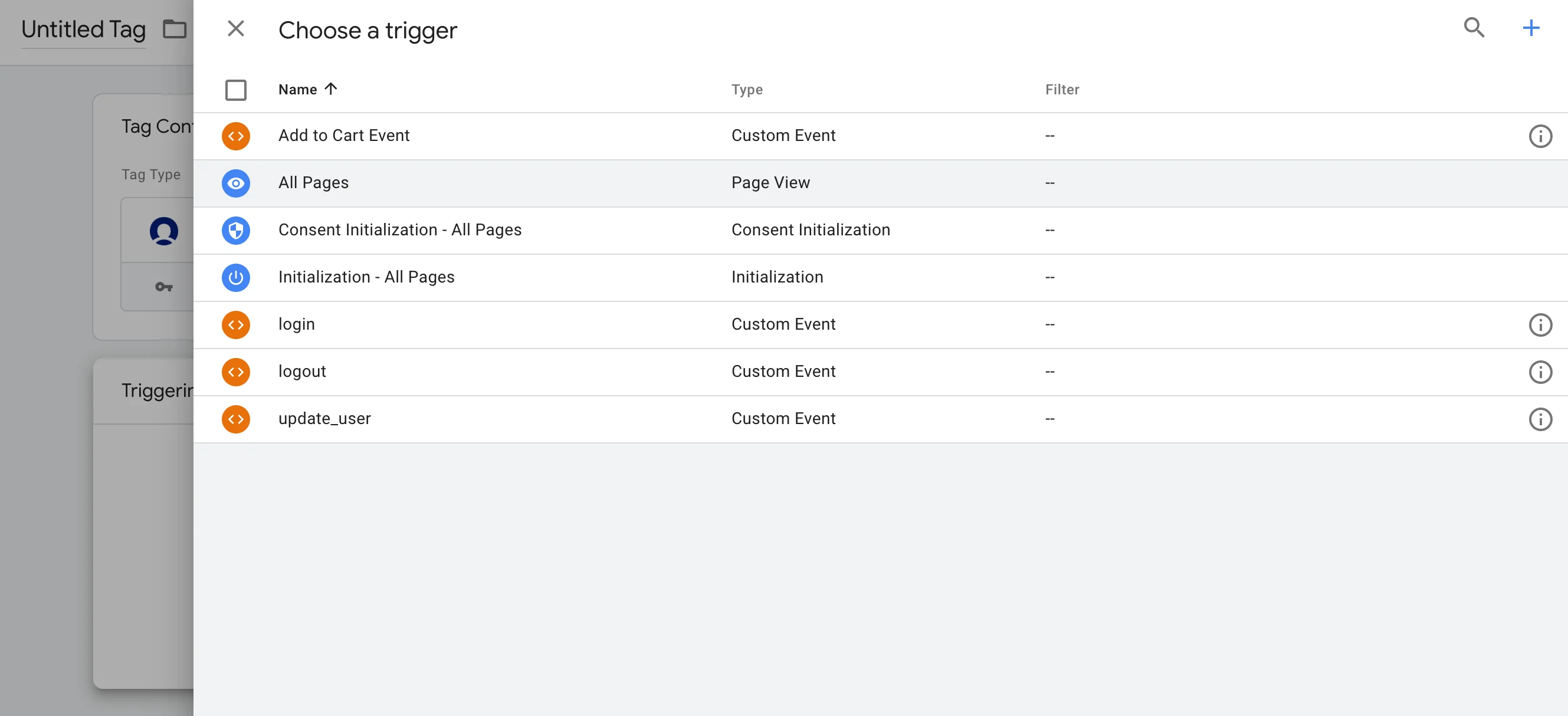
Step 3: Select the trigger condition

Triggering section in the MoEngage Tag setup Under the Triggering section, you can select an event as a trigger or create a new trigger as per your requirements. Click Save when you’re done with the tag configuration. You can preview the tag and verify if all your expected events are being ingested in MoEngage as per your configuration.

Integration via Web SDK

You can deploy the MoEngage Web SDK and leverage all its capabilities without writing any code on your website. Read more about setting up MoEngage Web SDK using MoEngage Templates on our help docs.